Fast Services for Rodent Control London and Mice and Rat Infestations
Fast Services for Rodent Control London and Mice and Rat Infestations
Blog Article
A rodent infestation can spread without warning. Mice may shelter behind appliances, while rats can move through wall voids, drains, lofts, and storage areas. By the time you notice droppings or scratching sounds, the animals may already have established rodent nests.
Professional Rodent Control London gives you a structured way to identify the problem, remove active rodents, and reduce the chance of a returning rodent problem. A trained pest control technician can inspect the property, find entry points, select appropriate treatments, and recommend practical prevention measures.
Fast action also helps protect your food, building materials, wiring, family, and pets. Rodents can carry contamination, cause property damage, and create health risks if the problem remains untreated.
Signs You May Have a Rodent Infestation
Rodents often keep out of sight during the day. Their activity produces physical evidence that you can look for without touching nests or handling contaminated materials.
- Mouse droppings: Mice leave small, dark droppings that may appear near food cupboards, drawers, appliances, and skirting boards. Fresh droppings often look darker and softer than older, dried waste.
- Rats droppings: Rat droppings are usually larger with a narrow shape. You may find them near garbage bins, storage spaces, utility areas, or along regular travel routes.
- Gnaw marks: Rodents chew wood, plastic, cardboard, insulation, food packaging, and electrical cables. Fresh gnaw marks may show light-coloured edges or fine debris nearby.
- Scratching sounds: Scratching sounds from walls, ceilings, loft spaces, or beneath floors can indicate activity at night. Listen for movement after dark, when mice and rats are often most active.
Other infestation signs include a urine odour, greasy marks along walls, shredded nesting material, damaged packages, and unusual pet behaviour. Rodent evidence may appear in more than one room. A rodent inspection can help determine whether the signs come from a current infestation or old activity.
Do not sweep or vacuum mouse droppings or rat droppings while they are dry. This can release contaminated dust. Keep children and pets away from the area, ventilate the space if possible, and arrange professional cleaning and sanitization advice.

Why Mice and Rats Access Properties
Rodents enter buildings for four basic reasons: food sources, access to water, shelter, and access. A property does not need to be dirty to attract mice or rats. Minor spills, open packaging, dripping plumbing, and gaps around services can provide enough conditions for an infestation.
- Food supplies: Pet food, crumbs, pantry goods, food waste, bird feed, and unsealed rubbish can attract rodents. Mice can chew through soft packets, while rats may damage stronger packaging.
- Available water: Dripping taps, plumbing leaks, condensation, damp storage areas, and bowls left out overnight give rodents a water supply.
- Shelter: Clutter, insulation, wall voids, stored boxes, sheds, lofts, and unused cavities provide protection and places to nest. Rodents use paper, fabric, foam, and other nesting material to make nests.
- Access points: Cracks and gaps around doors, foundations, vents, roofing, pipes, cables, and drains can allow access. A mouse can pass through a remarkably narrow opening, while rats can enlarge weak areas by gnawing.
Heated indoor areas become especially attractive when outdoor conditions change. If a property has easy access to food and shelter, rodents may remain hidden for extended periods. Removing one animal without addressing the access route can leave the conditions for another infestation unchanged.
Professional Rodent Control London: The Process to Expect
A specialist pest control service should use a careful process rather than place traps at random. The first stage usually starts with a property inspection, followed by rodent identification, a treatment plan, and follow-up visits where needed.
The pest control technician will review the evidence, inspect likely harbourage areas, and ask when you first saw activity. They may check kitchens, utility rooms, lofts, basements, garages, exterior walls, roof lines, and waste storage areas. The findings help distinguish mice from rats and show whether the activity is isolated or widespread.
The treatment plan may cover rodent traps, bait stations, monitoring stations, proofing, sanitation advice, and follow-up treatment. The right combination depends on the building, the number of rodents, access restrictions, and the presence of children or pets.
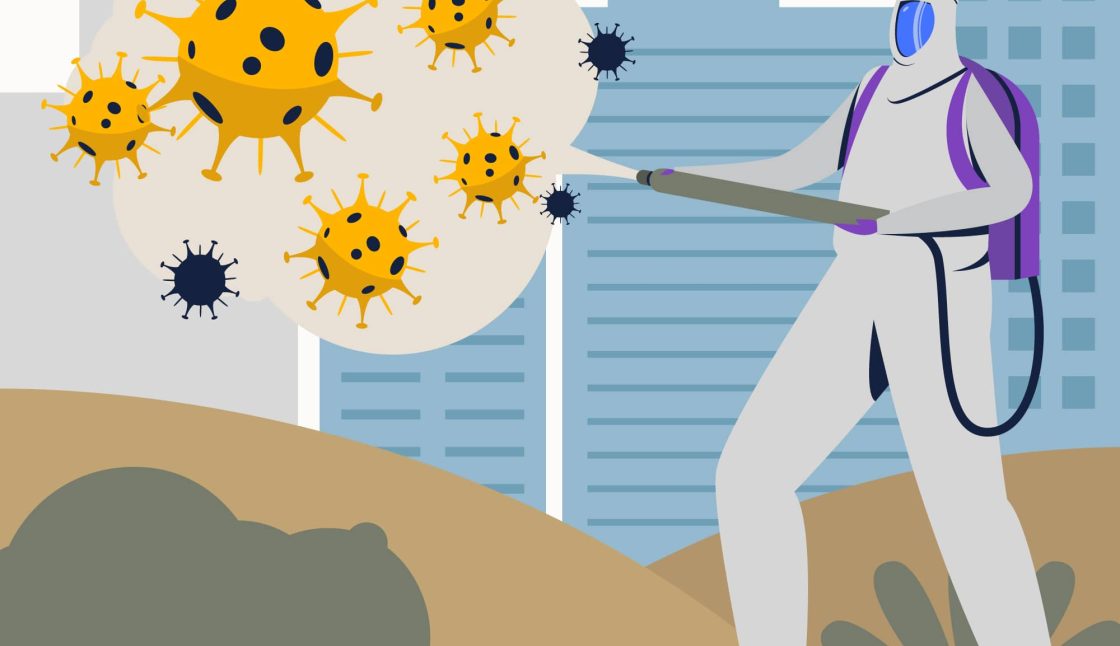
Checking for an Infestation
A careful rodent inspection looks beyond visible droppings. The technician may review:
- Signs of activity: The amount and freshness of droppings, gnaw marks, odour, tracks, and noise can indicate whether activity is low, moderate, or heavy.
- Nesting areas: Hidden nests may sit behind appliances, under flooring, in loft insulation, inside wall cavities, or within stored materials.
- Routes inside: The inspection identifies cracks, gaps, damaged vents, door gaps, pipe penetrations, and openings around cables or drains.
- Risk review: The technician considers food contamination, electrical hazards, structural damage, children, pets, and areas that people use frequently.
Rodent identification matters because mice and rats behave differently. Mice often stay close to sheltered areas and can use small gaps. Rats may travel farther between shelter, food, and water. The location of evidence helps the technician plan monitoring and treatment.
Provide helpful details during the visit. Tell the technician where you found droppings, when you hear scratching noises, whether you have seen a live or dead rodent, and whether children or pets can reach the affected areas.
Rodent Removal Methods
Rodent removal may involve different methods. A professional will choose equipment based on the infestation, building layout, and safety requirements.
- Mouse and rat traps: Snap traps and other mechanical devices can provide a direct way to remove mice or rats. Placement matters. Traps should sit along travel routes and remain inaccessible to children and pets.
- Rodent bait stations: Enclosed stations can hold bait securely while reducing access by non-target animals. They also help technicians monitor activity and bait uptake.
- Non-lethal removal: In suitable situations, humane control methods may form part of the plan. The technician should also address entry points, because releasing or removing an animal without proofing may not solve the wider problem.
- Expert pest control: A trained technician can combine inspection, monitoring, trapping, baiting, cleaning advice, and structural work instead of relying on one product.
DIY traps may work when a single mouse has entered a clean, uncluttered area. They become less reliable when rodents have multiple food sources, several access routes, or established rodent nests. Poor placement can also frighten rodents away from traps without reducing the infestation.
Professional rodent removal offers better monitoring and a clearer record of progress. It also reduces the chance that you will handle a live animal, place bait in an unsafe location, or miss a hidden source of activity.
Rodent-Proofing and Sealing Entry Points
Rodent-proofing focuses on stopping new animals from entering after active treatment begins. A technician may recommend:
- Sealing cracks and gaps in walls, foundations, floors, and roof areas.
- Fitting mesh barriers over suitable vents and openings.
- Repairing door gaps with durable seals and sweeps.
- Sealing pipe penetrations around plumbing, heating, and electrical services.
- Changing damaged vents, screens, and building materials.
Proofing materials must suit the location. Soft foam alone may not withstand rat gnawing. Metal mesh, plates, mortar, or other durable materials may provide a stronger barrier. The technician should also check whether sealing one opening will force rodents into another part of the building.
Rodent-proofing works best alongside monitoring. If new droppings appear after sealing, monitoring stations can show whether rodents remain inside or have found another route.
Rodent Treatment Safety for Households and Pets
Safety needs to direct every control decision. Rodenticide can help control an infestation, but it must be stored, placed, and monitored correctly. Never relocate professional bait stations, take them apart, or move bait to another container.
Tamper-resistant bait stations can help limit access by children, dogs, cats, and other animals not being treated. They still need safe positioning. Keep food, toys, bedding, and pet bowls outside treatment areas. Follow all instructions from the service provider and product label.
Child safety includes more than preventing contact with bait. Children should not pick up droppings, dead rodents, traps, contaminated packaging, or nesting material. Pet safety also requires care around dead rodents. A pet may become ill after feeding on poisoned rodents, so report any dead animal to the technician and follow the technician's removal guidance.
Traps can create additional hazards. Place them where children and pets cannot reach them, and use a professional service if the treatment area includes bedrooms, play areas, food preparation spaces, or difficult-to-access cavities.
After treatment, clean contaminated surfaces with suitable disinfectant or sanitization products. Do not sweep up while dry rodent waste. Wear appropriate protective equipment, ventilate the space, and ask for specialist advice if contamination is extensive.
How Is the Price for Rodent Control Cost?
The price of treatment depends on the work involved, not only on the rodents you have noticed. A minor mouse issue in an easy-to-reach area may need less frequent visits than a rat infestation covering several rooms and external areas.
The main pricing factors are:
- Initial inspection fee: Some providers set a separate charge for the first assessment. Others build the inspection into a treatment package.
- Property size: Larger properties have more rooms, service voids, roof spaces, and exterior areas to inspect and monitor.
- Infestation severity: Recent signs in one area may require less work than multiple rodent nests, heavy odour, damaged insulation, or extensive contamination.
- Access and entry-point sealing: Sealing pipe penetrations, roof gaps, vents, door gaps, and structural openings can add work and supply costs.
- Further treatment visits: Several visits may be needed to check for continued activity, reset traps, replenish bait, remove carcasses, and confirm that the infestation has ended.
- Emergency need: Emergency response outside standard hours may carry a greater fee.
Ask for a written explanation of the proposed service. It should state what the inspection covers, which methods may be used, how many visits are expected, whether proofing is included, and what happens if activity continues.
A cheap starting price may not include entry-point sealing or follow-up treatment. Compare the full plan rather than choosing on the first visit fee alone. Mosquito Man is one business name a property owner may encounter while researching pest services, but you should still check the proposed scope, safety instructions, and cost before approving work.
Preventing Rodents from Returning
Prevention starts with making the property harder to enter and less rewarding to explore. Small daily changes can reduce the food, water, and shelter that support rodents.
- Food storage: Keep dry goods in sealed containers with firm lids. Clean crumbs and spills promptly, and avoid leaving pet food out overnight.
- Waste management: Close garbage bins, use secure liners, and avoid storing food waste in open bags. Clean bins when leaks or residue develop.
- Property maintenance: Repair broken vents, damaged doors, leaking pipes, roof defects, and cracks and gaps around service lines. Keep vegetation and stored materials from touching exterior walls where practical.
- Sanitation: Clean food preparation surfaces, remove clutter, and inspect storage areas. Sanitation will not remove rodents by itself, but it reduces attractants and helps reveal new evidence.
Check common entry points every few months and best site after building work. Inspect door thresholds, pipe penetrations, vents, roof edges, utility cupboards, and areas where different materials meet. Keep cardboard and unused fabric off the floor in storage spaces.
If monitoring shows new droppings after treatment, respond promptly. A recurring infestation often means an opening, food source, nest, or neighbouring access route remains unresolved.
Why Use a Qualified Rodent Control Service?
Professional rodent control helps you tackle the source as well as the signs you can see. Skilled technicians know how to identify likely travel routes, assess hidden spaces, and choose treatment methods that suit the property.
A qualified service may use an integrated control plan. This approach brings together inspection, monitoring, trapping, baiting where appropriate, sanitation advice, and rodent-proofing. It aims to avoid depending on one method and correct the conditions that made it possible for rodents to enter.
Rodents can create risks to health through disease transmission, food contamination, urine, faeces, and contaminated surfaces. They can also damage electrical cables, insulation, pipework, and building materials. Quick action may help prevent property damage and cut the amount of cleaning required.
Specialist assistance is especially useful when:
- You have found rats, several mice, or multiple rodent nests.
- Activity persists after DIY traps have been set.
- Rodents are inside walls, ceilings, lofts, or other hard-to-reach areas.
- Children or pets make bait and trap placement challenging.
- You need help with sealing entry points and long-term prevention.
- The property has a strong urine odour or extensive contamination.
Ask how the service tracks progress. Monitoring records, follow-up treatment, clear safety guidance, and prevention advice all help show whether the plan is working. A rapid response without long-term prevention may only provide brief respite.
Questions and Answers
How can I tell if I have rodents in my London home?
Look for mouse droppings, rat droppings, gnaw marks, scratching sounds, urine odour, damaged food packaging, greasy rub marks, and nesting material. Evidence near food cupboards or along walls may indicate current activity. A rodent inspection can identify the species, activity levels, nesting areas, and likely access points.
What attracts rats and mice to London properties?
Food waste, open garbage bins, pet food, leaking pipes, standing water, clutter, insulation, and cracks and gaps can attract rodents. Unsealed food and easy shelter make a property more appealing. Limiting these conditions and sealing entry points can reduce the risk of infestation.
How much does rodent control price in London?
The treatment cost changes with the inspection fee, property size, infestation severity, access, proofing requirements, urgency, and number of follow-up visits. Request a written quote that explains the proposed rodent removal methods and whether bait stations, traps, sealing, monitoring, and follow-up treatment are included.
Are rodent control treatments suitable for children and pets?
They can be safe when a qualified technician chooses and places the treatment correctly. Child safety and pet safety depend on secure equipment, correct bait placement, restricted access, and following all instructions. Tamper-resistant bait stations can limit exposure, but children and pets should still be kept away from treatment areas.
How quickly can a pest control expert respond?
Response times depend on availability, the service area, the time of the request, and whether the situation needs an emergency response. Tell the provider what you have seen, where the activity occurs, and whether there is a risk to food, children, pets, or wiring. The provider can then advise on the next available visit.
Can I prevent rodents from coming back?
Yes. Store food in sealed containers, manage waste carefully, keep garbage bins closed, repair leaks, reduce clutter, maintain sanitation, and seal cracks and gaps. Professional rodent-proofing can address pipe penetrations, door gaps, vents, and other entry points. Monitoring after treatment can identify renewed activity early.
Should I choose traps or professional rodent removal?
Traps may suit a minor, isolated mouse problem when you can place and check them safely. Professional rodent removal is more suitable for rats, several rodents, hidden activity, contaminated areas, or a recurring infestation. A technician can combine rodent traps, bait stations, proofing, monitoring, and follow-up treatment.
What should I do if I find rodent droppings?
Keep children and pets away from the area. Do not sweep or vacuum dry droppings. Ventilate the space, wear suitable protective equipment, and use appropriate cleaning and sanitization procedures. Store exposed food safely and arrange a professional assessment if you find repeated evidence, strong odour, gnaw marks, or signs of nesting.
Report this page